About

I am a software developer who has been running agility for many years. While I'm currently in Missouri and run most of my agility trials in the St. Louis area, I've lived all over the east coast.

Before becoming a software developer, I worked in the veterinary field as a licensed technician for over 15 years. While I did confirmation in my teens, agility seemed to be an amazing sport that would allow me to bond with my dogs and learn fantastic new skills.

I started my first training class just as COVID-19 was beginning take hold in early 2020 but that did not stop us. My first agility sheltie, Remy, learned quickly (much faster than I did). We began trialing in 2021 and I was immediately hooked. We attended the National Agility Championship in 2025 in Tulsa, OK and while I already knew there was no stopping us anytime soon, it solidified my need for agility.

I have added another two shelties to my household, Bishop and Rhett. Rhett completely changed the playing field. He is much more driven and faster than Remy so we struggled for a bit but its only been uphill. He's a blast to run.

Bishop does not run agility. Hip dysplasia and his eyesight have precluded him from it but that did not stop us from doing other things. He's currently training for Rally and should start competing soon.


Blog

What Is This?

Is this really another blog? Not really, I wanted a place for things that interest me, thoughts, etc.

Homelab Setup

Like many people, I set up a homelab using Docker. While most people would opt for something like Portainer, I've always liked Ubuntu Server so that's what I went with. The main part of the homelab consists of many services which are shown in the table below and then there is another setup of multiple connected computers to run Kubernetes for learning/testing scalability, etc.

Service Description
Budget Budgeting Software
Bambu Studio Bambu Studio (3D Print Slicer)
Bento PDF Many PDF tools
Calibre E-Books
Duckdns Updates IP address automatically
Gitea Git repository
Homepage Love this and find it easy to customize
IT-Tools Tons of helpful tools for IT professionals
Jellyfin Movies and Shows
Manyfold 3D print files organizer
Mealie Recipe organizer
NGINX Reverse Proxy
Portainer Docker manager
WG-Easy Wireguard VPN
Wiki.js Documentation

Gitea Repo Creation

I have two gitea instances setup, one for personal use and the other for a company. What I decided I wanted to be able to do was auto backup the company one since the personal use instance is backed up to an external NAS. Surprisingly, this was a lot eaiser than I expected. Let's explain how.

NOTE: This assumes you have admin access on both Gitea instances, if you don't, this will not work.

  1. Create tokens on for both instances
    1. Under Settings, got to Applications
    2. Generate a new token with write:admin permissions
  2. The Gitea API was used in Python (it can be found under <gitea_host>/api/swagger)
    1. The code below hopefully is self-explanatory
    2. Two branches are created on the second host, main and develop
    3. Protections are added to both branches so that neither can be pushed to directly but rather must go through merge requests
    4. Main also cannot be merged to except by the specific user
    5. The add_mirror function is what sets up the backup from the second instance to the first
  3. This was then set up to run using FastAPI through Docker and NGINX so it could be done from anywhere (in NGINX, a specific login was used so that it was protected)
  4. Potential Improvements:
    1. Use Pythons logging library instead of print statements (the Docker logs capture these so I decided it was good enough)
    2. Make it all or nothing since each step could just fail and without looking at the logs, it's not easy to know where something failed
    3. Move the URLs and tokens to an env file and load it with the library dotenv for better security

Map To Poster

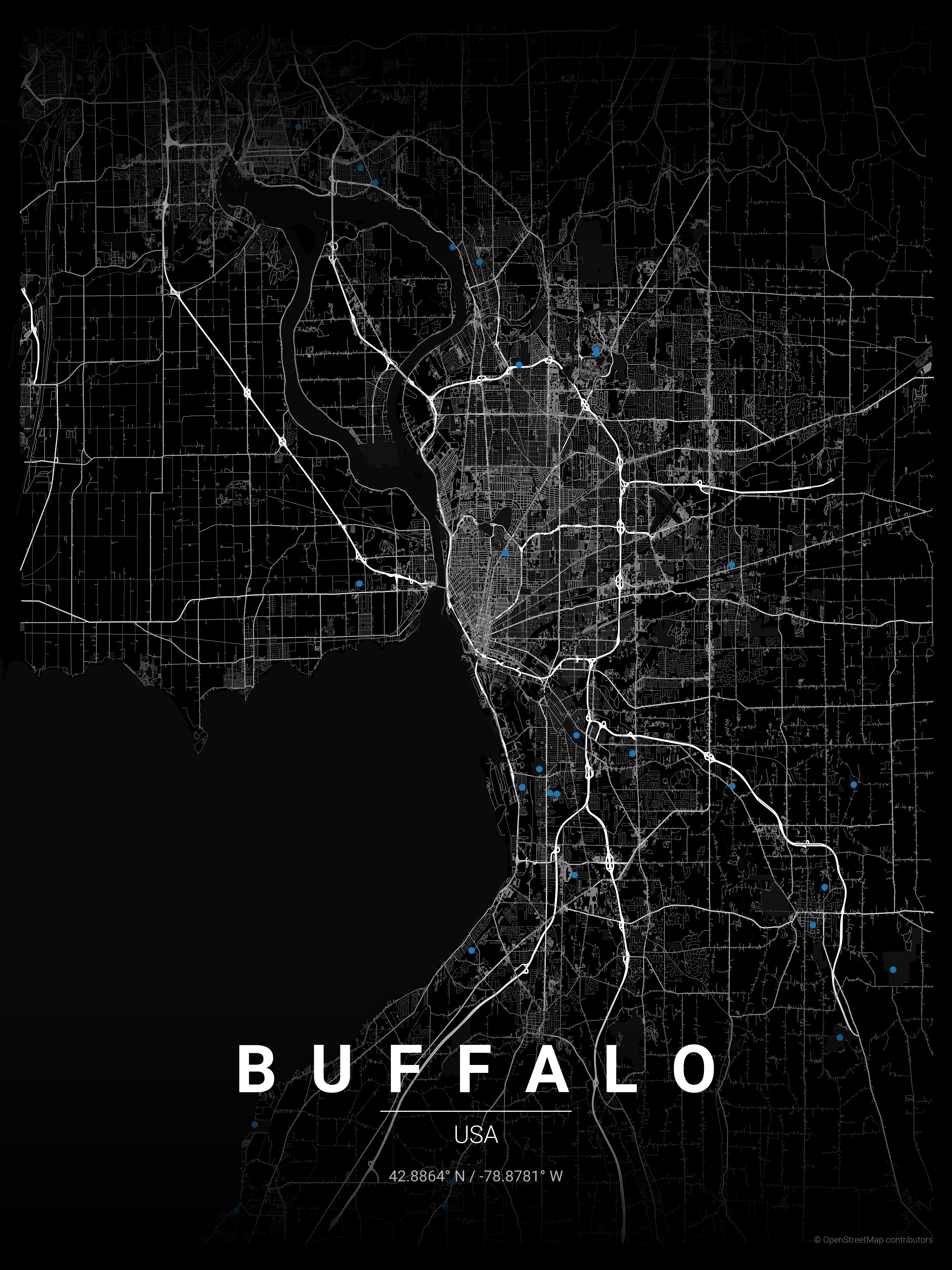
This is not my code at all, I just find it incredibly interesting. The code is avaiable at maptoposter.

Have a city you love and want a map of it that looks really cool? Well that's what this does. I've included an example map that I found fascinating. There are tons of colors schemes and you can make your own. The best part is the ability to choose how much of the region you want to see.

Buffalo, NY in the noir color scheme from maptoposter

Dogs

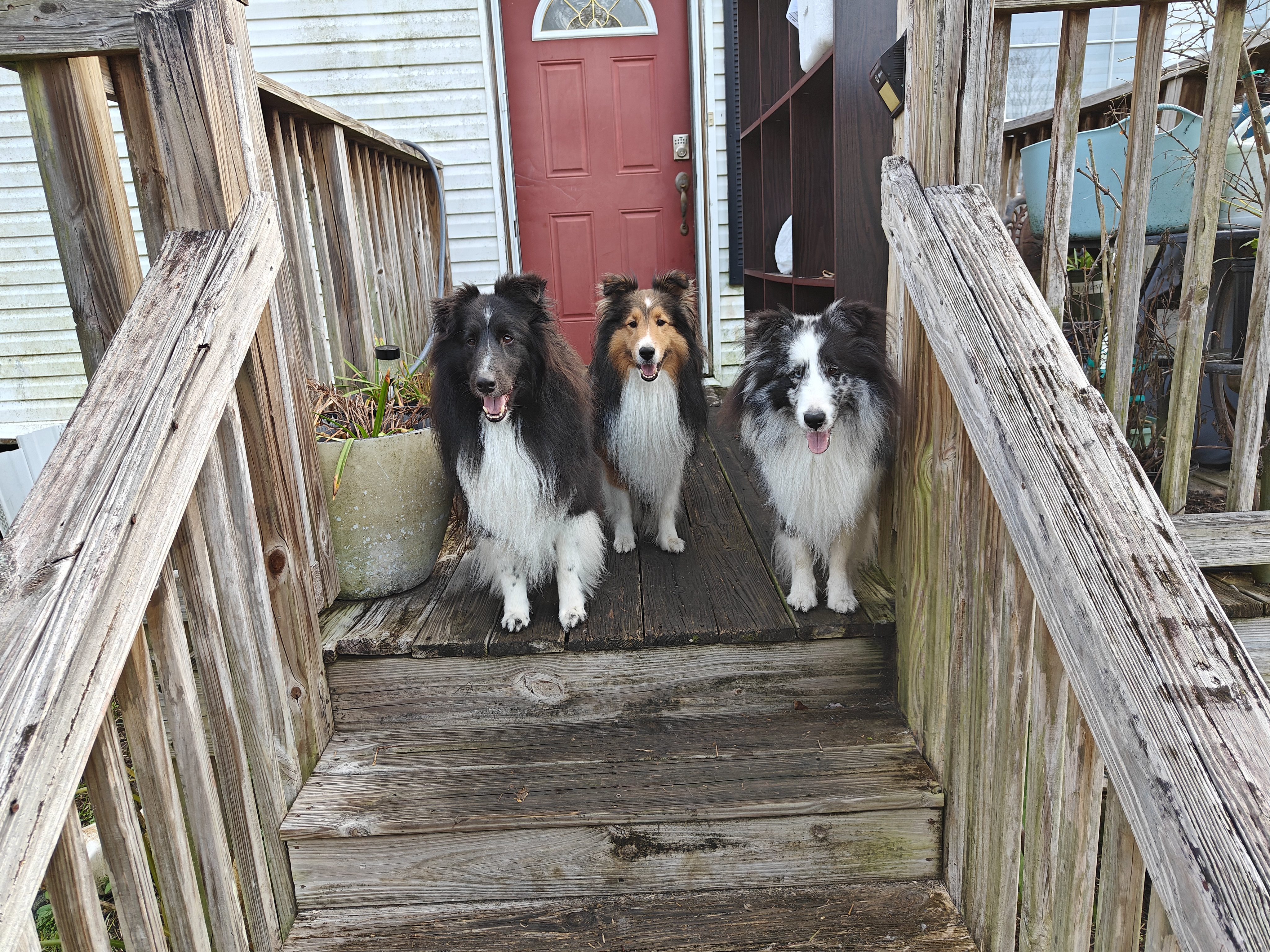
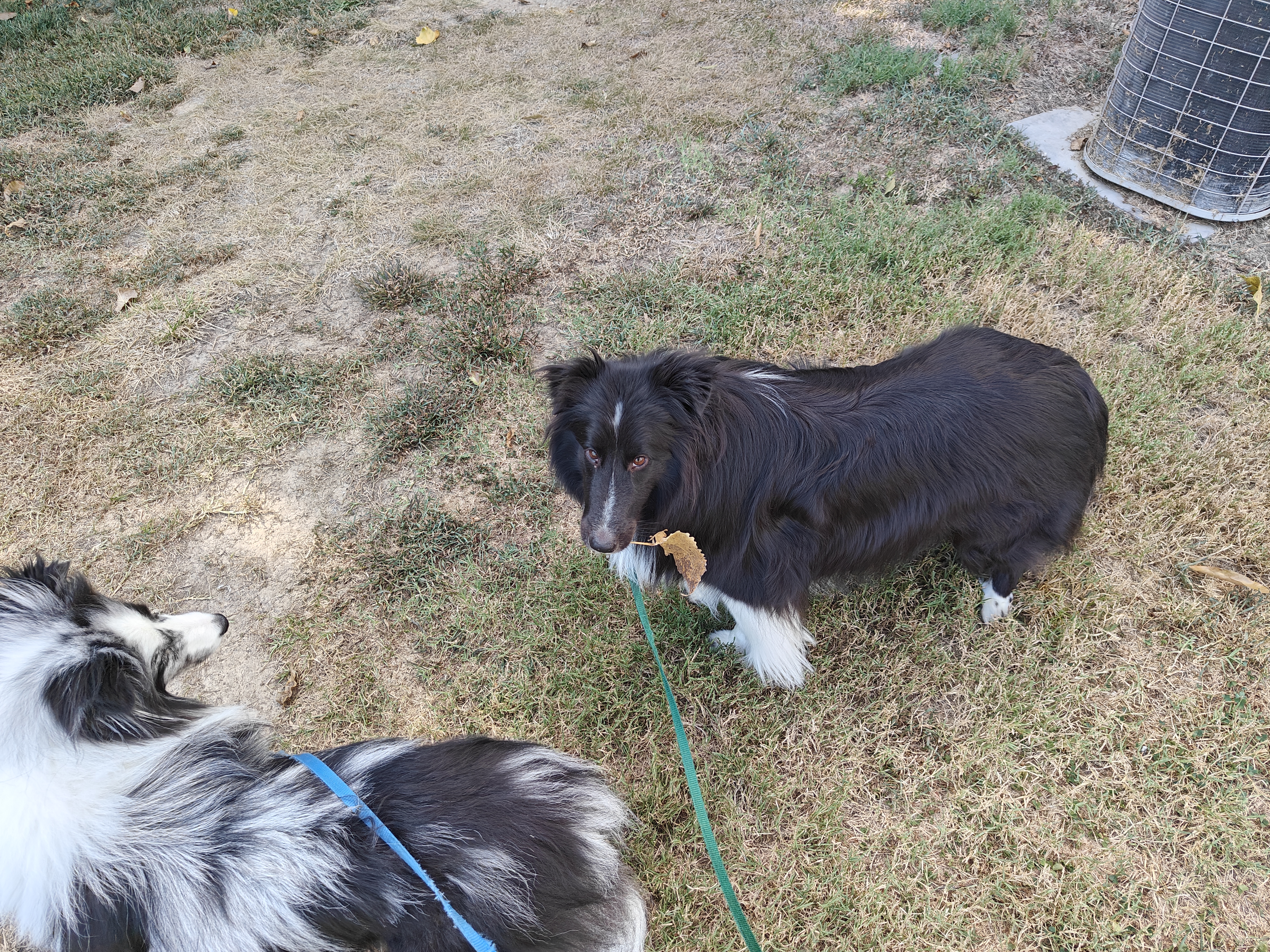
Remy, Rhett, and Bishop in order. Probably the only picture with all three calmly standing and looking at me.

Remy

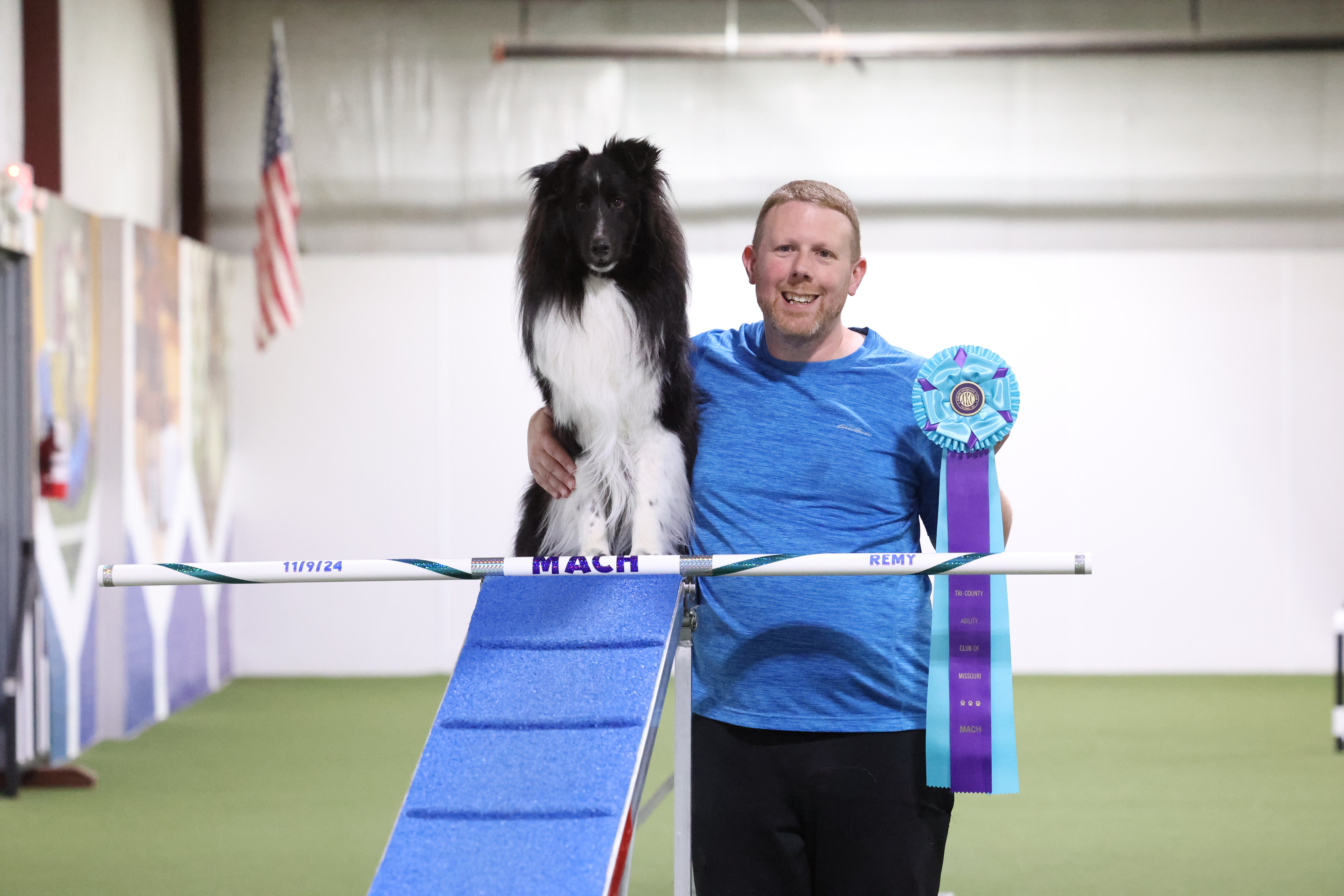
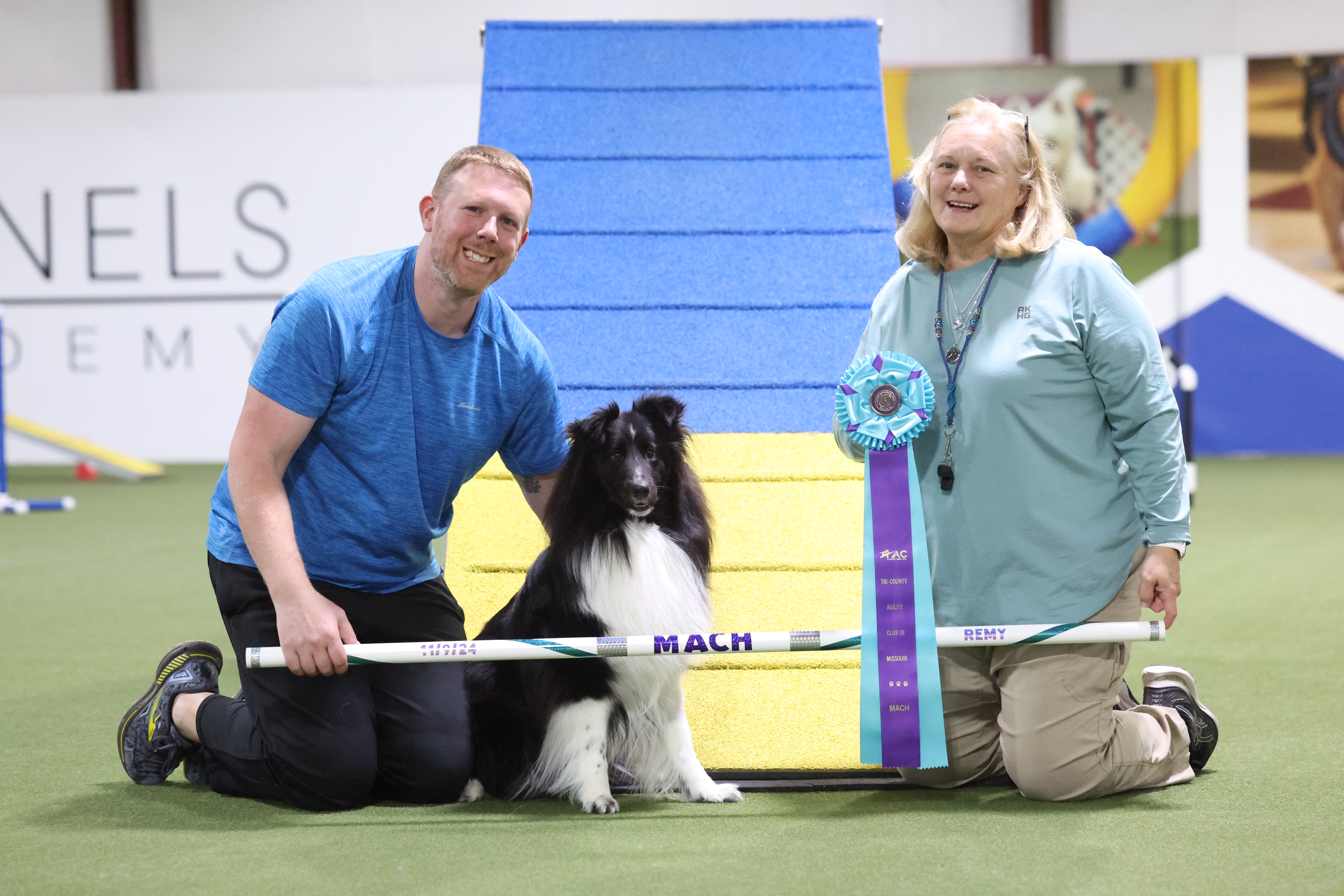
Remy recieving his first MACH (Master Agility Champion) during the Tri-County Agility Club at Westinn Kennels
Remy found a prize leaf

Rhett

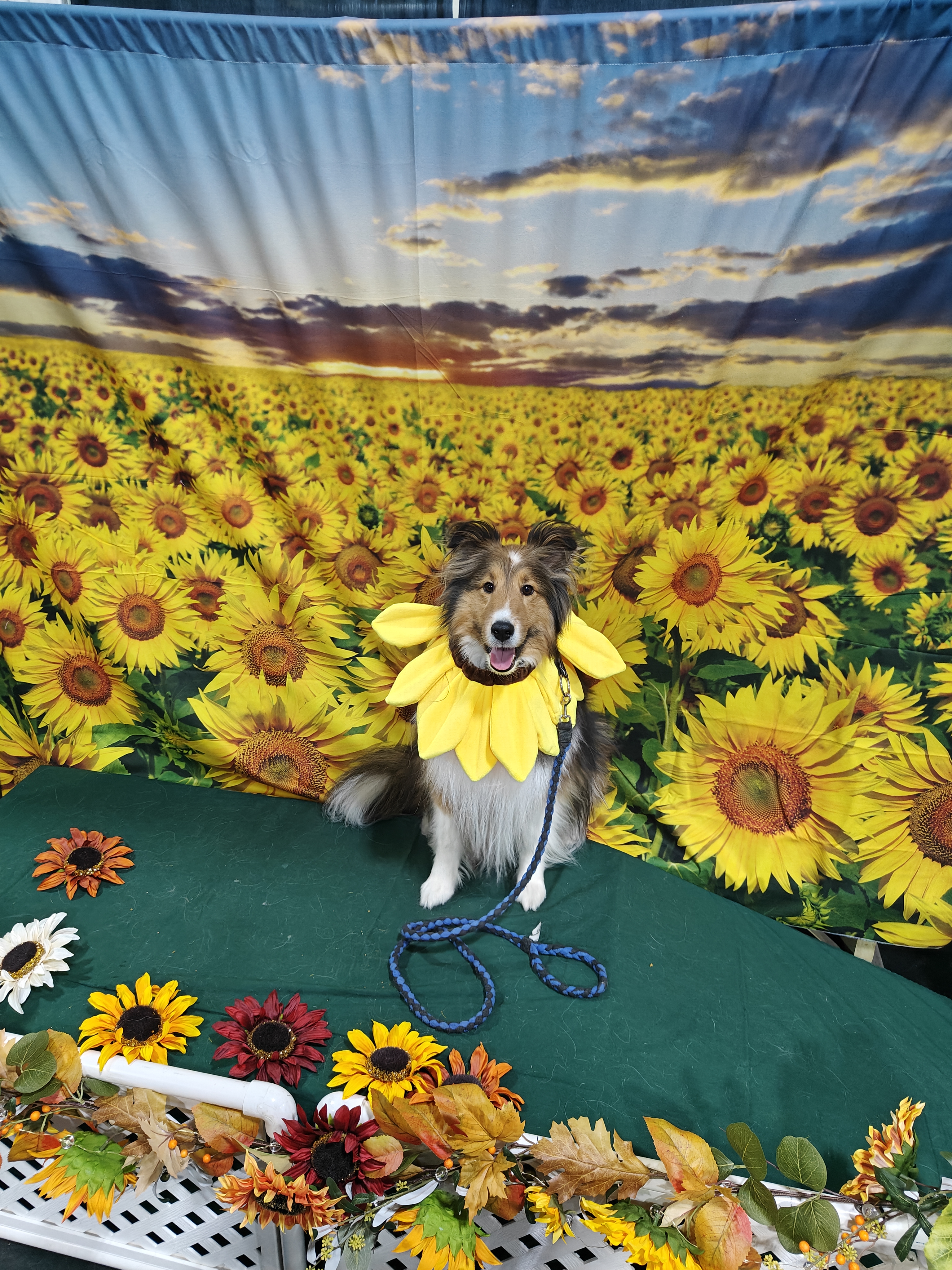
Rhett becoming a sunflower after several runs

Bishop

Bishop protecting his bone from his brothers

Projects

Fur The Record

Tracking the progress of canine agility competitions and how a dog is performing over time is typically done using spreadsheets or other individual methods. This project creates a singular location for all of this information, consolidating results across AKC, USDAA, UKI, and UKC venues.

  • Backend
    • Built REST endpoints using FastAPI
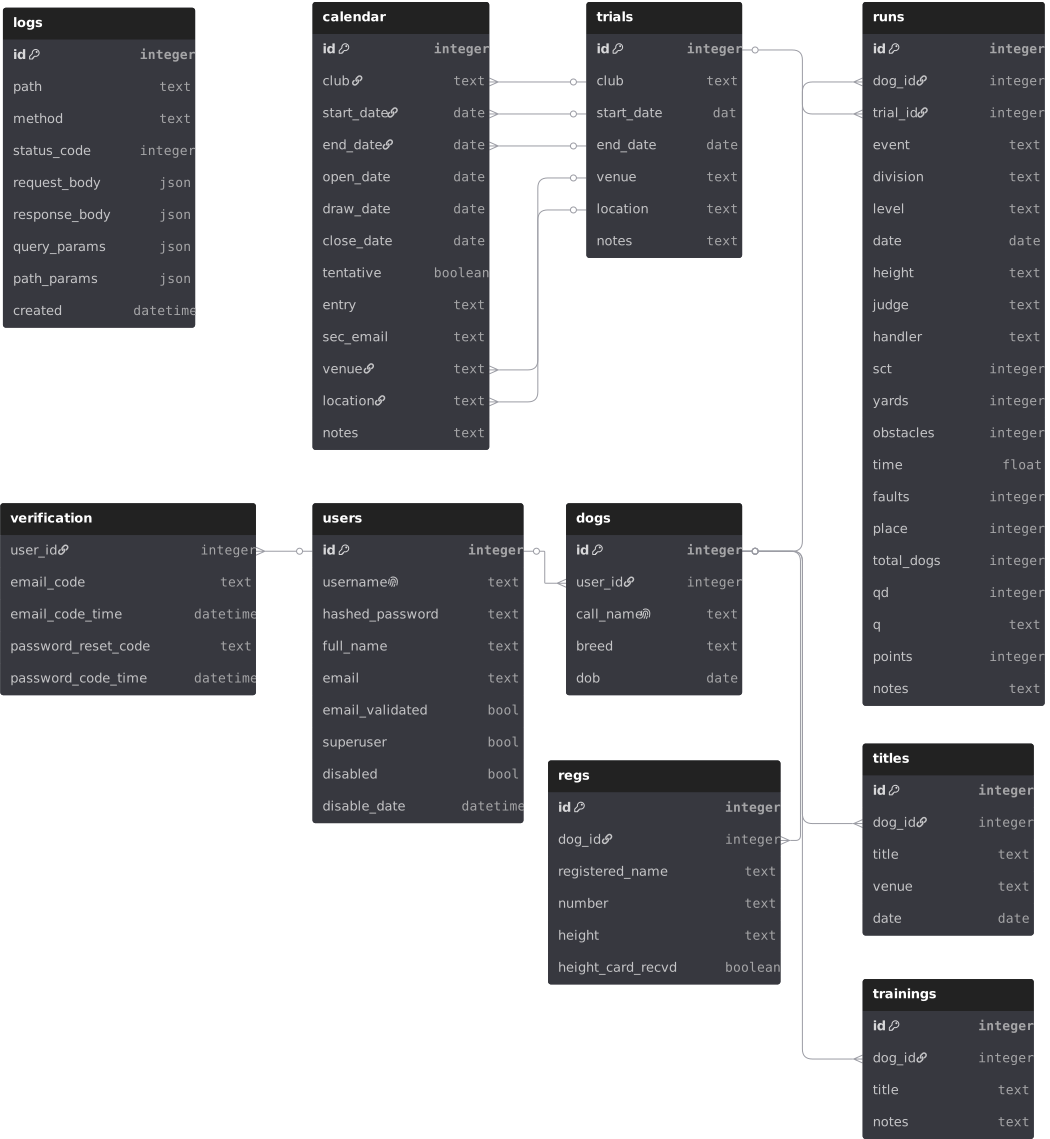
    • Persisted data in a relational database using PostgreSQL and SQLAlchemy
    • Secured access through OAuth and JWT tokens via custom middleware
    • Added logging middleware to catch issues early and surface analytics on user locations, response time, and more
    • Load-tested the platform to confirm it can support 100,000 clients and 1 million records without degrading performance
  • Frontend
    • Used JavaScript for data validation and for fetching/posting data to the backend
  • Key Technologies: Python, Docker, Pydantic, FastAPI, PostgreSQL, SQLAlchemy, Javascript, HTML/CSS
PostgreSQL table diagram

ASSISTT Interface Module

Science code can have many dependencies and typically has various paths to executing the algorithm(s). To alleviate this, the ASSISTT Interface Module (AIM) allows for consistent execution using the same command along with a YAML file that varies between algorithms and is standardized wherever possible. The interface supports execution across multiple environments, including on premise, via AWS EC2 instance, and using Docker.

  • Architected a standardized Python interface (Abstract Base Class) deployable on-prem, on AWS EC2, or via Docker – cutting algorithm onboarding time by 50% across the NESDIS Common Cloud Framework team, a 10-day reduction in time to first successful delivery
  • Validated configuration YAMLs with Pydantic, using a dedicated naming-standards data class to catch naming and formatting errors before runtime
  • Supported Jinja2-templated YAML for dynamic environment configuration, allowing environment variables to be set and used directly in the config
  • Built flexible logging with configurable file/screen output and dynamic renaming for cases where a standardized name isn't known at creation
  • Automatically generated an output YAML capturing all final and intermediate results alongside associated log files
  • Applied one coherent interface pattern across all algorithms, easing onboarding and project handoffs between engineers
  • Automated testing and package builds on every commit and merge request via GitLab CI/CD
  • Adopted as the execution backbone for every algorithm running on NOAA's NESDIS Common Cloud Framework
  • Key Technologies: Python, Docker, Pydantic, YAML, AWS EC2, Gitlab CI/CD

Data Support Tracking

Gathering data for economic models had previously been done manually by pulling data from web pages and using Excel to order and calculate needed values. This data is now gathered automatically, leading to a significant decrease in time spent gathering data.

  • Automated web-based data retrieval for economic model inputs using Python (Selenium, Requests, PyPDF2), cutting manual data-collection time by 90% and including automated historical-comparison checks to catch data discrepancies
  • Standardized internal mnemonic codes across dozens of datasets using Pandas, NumPy, and SciPy for calculation and ordering, enabling consistent cross-model comparison
  • Verified newly gathered data against historical records using comparison techniques to catch potential issues early
  • Key Technologies: Python, Selenium, Requests, PyPDF2, HTTPX

Data Dissemination System

Previously, data was transferred to clients by emailing Excel spreadsheets. Several APIs were created to allow clients to instead pull data in several ways – full sets, filtered subsets, and zip files – based on each client's needs.

  • Built a multi-tenant FastAPI platform with token-based authentication and per-client, database-level access isolation, eliminating manual Excel-based distribution for multiple external clients and cutting distribution errors by 90%
  • Implemented query validation along with the ability to look up all possible values for a given search key
  • Enabled point-in-time data retrieval, making it easy to see how economic model predictions have changed over time
  • Deployed via Docker to maintain isolation from other systems
  • Key Technologies: Python, FastAPI, SQLite3

CV

Profile

Lead Software Architect and Software Engineer implementing science code for NOAA's satellite ground data infrastructure, including the interface framework standardizing execution across NESDIS's Common Cloud Framework algorithms. 15+ years of programming experience, with recent work spanning multi-tenant API design with token-based access control, automation of manual data workflows, and leading engineering teams through ambiguous, self-directed technical problems – including building a Python system for more efficient economic model solving. A background of 15 years in emergency veterinary medicine brings a firsthand understanding of high-stakes clinical workflows to healthcare-adjacent engineering work.

Education

  • Bachelor of Science
  • George Mason University
  • Major: Chemistry
  • Minor: Computational & Data Sciences
  • Associate of Arts
  • Valencia College
  • Major: Chemistry

Experience

Software Developer IIMarch 2023 – Current

GAMA-1 Technologies

  • Delivered 98.3% of assigned science-algorithm integration tasks on schedule, as measured by sprint completion tracking, by proactively flagging blockers and re-sequencing work across the Common Cloud Framework backlog
  • Upskilled the full Integrator team (42 people) on Docker, as measured by a 2–4 hour reduction in environment-setup time per new integrator, by running hands-on training sessions and documenting a standardized containerization workflow
  • Accelerated implementation of the ASSISTT Interface Module by using AI coding assistants, applying independent code review and testing to validate AI-suggested changes before merge
  • Deployed near-real-time processing pipelines on a Kubernetes cluster, provisioning for cloud rollout on AWS or Azure to validate algorithm latency and final product accuracy
  • ASSISTT Interface Module (AIM)
    • Project Owner and Lead Developer
    • Cut algorithm onboarding time by 50% across the NESDIS Common Cloud Framework team, as measured by a 10-day reduction in estimated time to first successful delivery, by architecting a standardized Python interface deployable across on-prem, AWS EC2, and Docker environments
    • Became the execution backbone for every algorithm running on NOAA NESDIS' Common Cloud Framework, by delivering a reliable, reusable interface adopted platform-wide
  • Recognized for engineering excellence and cross-team collaboration by receiving the NESDIS Operating Principle II: Team Work award
    • Consistently strong integration skills across multiple project teams
    • Key factor in several projects' success through dependable, high-quality delivery
    • Technical expertise and dedication to high performance under deadline pressure
    • Results-focused approach that strengthened outcomes through effective collaboration with colleagues
  • Honored by NOAA's Office of Low Earth Orbit Observations with the Unseen Hero Award, by delivering critical engineering support for the Cross-Track Infrared Sounder Sensor Data Record (CrIS SDR)
  • Key Technologies: Python, Docker, Pydantic, YAML, AWS EC2, CI/CD Pipeline

Lead Software Architect (Part-time Contractor)Nov 2022 – Current

World Agricultural Economic &
Environmental Services

  • Delivered two production platforms — an automated data-collection pipeline and a multi-tenant distribution API serving multiple external clients — as measured by reduced manual handling and continuous availability, by making technical architecture decisions as part-time Lead Architect for a 5-person team
  • Data Support Tracking
    • Lead Architect and Developer
    • Reduced manual data-collection time by 90% by automating web-based retrieval of economic model inputs with Python (Selenium, Requests, PyPDF2), including automated historical-comparison checks to catch data discrepancies
    • Standardized internal mnemonic codes across dozens of datasets by applying Pandas, NumPy, and SciPy, enabling consistent cross-model comparison
  • Data Dissemination System
    • Lead Architect and Developer
    • Eliminated manual Excel-based data distribution for multiple external clients, as measured by a 90% reduction in distribution errors, by building a multi-tenant FastAPI platform with token-based authentication and per-client, database-level access isolation
    • Gave clients self-service control over their data by enabling filtered pulls, historical comparisons, and on-demand retrieval of only what's needed
  • Key Technologies: Python, FastAPI, Selenium, PyPDF2, HTTPX

Graduate Research AssistantAug 2017 – Aug 2022

University of Missouri

  • Advanced understanding of hydrogen retention and transport in fusion materials by studying material behavior over a five-year research program
  • Ran MPI-based molecular dynamics simulations on supercomputing clusters at Argonne National Laboratory and NERSC, applying Python, C++, and Fortran
  • Validated simulation results against experimental and physical constraints by analyzing multi-terabyte datasets with a range of statistical and computational techniques
  • Key Technologies: Python, C++, Fortran, MPI

Graduate Teaching AssistantAug 2017 – May 2018

University of Missouri

  • Supported student success in Thermodynamics II, Mass and Energy Balance, and Unit Operations Laboratory by grading coursework, holding office hours, and providing individualized help
  • Ensured safe, effective lab sessions in Unit Operations by preparing experiments in advance and training students in proper technique and safety protocol
  • Expanded the Unit Operations curriculum by co-developing new experiments, including centrifugal separation and stirring/mixing labs
  • Kept lab operations running without interruption by repairing machinery and computer setups as issues arose

Data Analyst & Research AssociateSept 2016 – July 2017

George Mason University

  • Helped Dr. Rebecca Jones evaluate the effectiveness of two support models by developing novel methods to interpret and analyze data sets from the Chemistry & Biochemistry Department's tutoring center and learning assistants
  • Reduced manual analysis time for tutoring-center usage data by 90%, as measured by 100+ hours saved per reporting cycle, by writing Python scripts to automate data cleaning and statistical summarization

Internal Medicine Veterinary TechnicianJune 2016 – July 2017

VCA Southpaws Veterinary Specialists & Emergency Center

  • Delivered critical care support by performing IV and urinary catheterization, all forms of venipuncture, and cystocentesis
  • Enabled accurate diagnoses by performing and reading a full range of lab work, including urinalysis, fecal exams, and blood smears
  • Stabilized critical patients by administering all types of fluid therapy, including colloids and crystalloids, blood and plasma transfusions, and CRI infusions
  • Kept doctors informed of patient status by continuously monitoring fluid therapy, TPR, and pain levels and communicating changes in real time
  • Strengthened client trust and outcomes by providing clear communication and education throughout treatment
  • Supported clients through difficult moments by providing compassionate care, particularly in cases of euthanasia
  • Filled in wherever needed by taking on additional veterinary technician duties as required

Research AssistantMay 2014 – Aug 2016

Bishop Laboratory, George Mason University

  • Produced novel hydrogel particles by performing monomer synthesis and polymerization
  • Confirmed product structure and purity by verifying results with nuclear magnetic resonance spectroscopy on a Bruker DPX 400 using XWINNMR software
  • Sped up tandem mass spectroscopy data processing by developing custom Excel macro code
  • Enabled simultaneous, cross-dataset analysis by building a centralized database in Microsoft Access

Undergraduate Teaching AssistantAug 2015 – May 2016

George Mason University

  • Computing for Scientists
    • Served as Point of Contact for all teaching assistants during Fall 2015, coordinating logistics and support across the team
    • Reinforced course material by holding office hours and providing supplemental assistance as needed
    • Upheld academic standards by proctoring exams and grading homework
  • Analytical and Quantitative Chemistry
    • Supported all students through an active-learning, technology-integrated course format

Undergraduate ScholarJan 2015 – May 2015

George Mason University

  • Secured internal grant funding by successfully competing through a formal research proposal process
  • Advanced antimicrobial peptide harvesting research by performing monomer synthesis and polymerization

Emergency Veterinary TechnicianDec 2015 – May 2016

Artemis Veterinary Emergency & Specialty Service

  • Prioritized patient care under time pressure by triaging incoming patients
  • Supported successful surgical outcomes by inducing and maintaining anesthesia, preparing sterile packs, and assisting throughout procedures
  • Improved recovery outcomes by assessing and caring for ICU and post-operative patients
  • Filled in wherever needed by taking on additional veterinary technician duties as required

Emergency Veterinary TechnicianJuly 2012 – Dec 2015

Regional Veterinary Referral Center

  • Carried out the same core emergency veterinary technician duties described above

Supervisory Emergency Veterinary TechnicianFeb 2007 – July 2012

Veterinary Emergency Clinic

  • Kept shift operations running smoothly by managing all non-veterinarian staff on duty
  • Resolved client concerns and balanced workload by allocating technician responsibilities and handling complaints and payment issues
  • Expanded clinic capability by handling exotic animals, including their surgical procedures
  • Continued to carry out all core technician duties noted above

Emergency Veterinary TechnicianJune 2006 – Dec 2006

Affiliated Pet Emergency Services

  • Carried out the same core emergency veterinary technician duties described above, in a non-supervisory role

Veterinary TechnicianApr 2006 – Aug 2006

Millhopper Veterinary Medical Center

  • Carried out the same core veterinary technician duties described above, in a non-supervisory role

Veterinary and Electrocardiogram TechnicianNov 2005 – Mar 2006

Institute of Veterinary Specialists

  • Delivered remote diagnostic support by performing electrocardiograms via telephone transmission
  • Improved diagnostic accuracy by refining signal output for cleaner, more clinically useful readings
  • Extended specialist care to off-site patients by traveling with Dr. Davin Borde to perform mobile echocardiograms
  • Carried out core veterinary technician duties, excluding supervisory and emergency/internal medicine responsibilities

Veterinary TechnicianSept 2003 – Nov 2005

Town & Country Veterinary Clinic

  • Carried out core veterinary technician duties, excluding supervisory and emergency/internal medicine responsibilities

License & Afilliations

  • Veterniary Technician License
  • Commonwealth of Virginia
  • Granted: July 2012
  • Current Inactive
  • Mensa Member
  • Mensa International
  • Granted: 2014

Presentations

Oral Presentations

  1. B.S. Laufer, A.C. Leiva, K.D. Hammond. “Elucidating the Mechanisms of Hydrogen Blister Formation in Plasma-Facing Tungsten.” 2022 AIChE Annual Meeting. Phoenix, Arizona. November, 2022.
  2. B.S. Laufer, K. Distefano. M.C. Herrington, K.D. Hammond. “Effects of Displacement Cascades on Helium and Hydrogen Near Grain Boundaries in Tungsten.” 63rd Annual Meeting of the APS Division of Plasma Physics. Pittsburgh, Pennsylvania. November 11th, 2021.
  3. B.S. Laufer, K.D. Hammond. “Hydrogen and Helium Near Grain Boundaries in Plasma-Facing Tungsten.” 63rd Annual Meeting of the APS Division of Plasma Physics. Pittsburgh, Pennsylvania. November 11th, 2021.
  4. B.S. Laufer, K.D. Hammond. “Molecular Dynamics Simulations of Hydrogen Retention in Single-Crystal and Polycrystalline Tungsten.” 2021 AIChE Annual Meeting. Boston, Massachusetts. November 9th, 2021.
  5. B.S. Laufer, A.R.M. Iasir, K.D. Hammond. “Simulations of Helium and Hydrogen Interactions with Interfaces in Tungsten and Lithium.” ICFRM20, Online Conference. October 27th, 2021.
  6. B. Laufer, K.D. Hammond. Invited Lightning/Flash Talk at the 2020 Virtual MRS Spring/Fall Meeting & Exhibit, Online Conference. December 4th, 2020.
  7. B. Laufer, K.D. Hammond. “Simulation of Hydrogen Retention in Polycrystalline Tungsten.” 2020 Virtual MRS Spring/Fall Meeting & Exhibit, Online Conference. November 27th - December 4th, 2020.
  8. B. Laufer, K.D. Hammond. “Simulation of the Effect of Hydrogen Repulsion on Clustering and Retention in Tungsten.” 60th Annual Meeting of the APS Division of Plasma Physics, Portland, Oregon. November 7th, 2018.
  9. B. Laufer. “Monomer Synthesis and Polymerization for Antimicrobial Peptide Harvesting.” George Mason University Undergraduate Research Scholars Program, Fairfax, Virginia. May 8th, 2015.
  10. B. Laufer. “Tools for Antimicrobial Peptide Discovery.” George Mason University Department of Chemistry and Biochemistry, Fairfax, Virginia. May 6th, 2015.

Poster Presentations

  1. A.C. Leiva, B.S. Laufer, K.D. Hammond. “Effects of Hydrogen on the Mechanical Properties of Grain Boundaries in Plasma-Facing Tungsten.” Undergraduate Research Week at the University of Missouri. April 18th, 2022.
  2. B.S. Laufer, K.D. Hammond. “Simulations of Hydrogen Retention in Mono- and Polycrystalline Tungsten.” University of Missouri Engineering Research Open House. October 26th, 2021.
  3. B.S. Laufer, K.D. Hammond. “Simulations of Hydrogen Retention in Mono- and Polycrystalline Tungsten.” PFMC-20, Online Conference. May 21st, 2021.
  4. M.C. Herrington, B.S. Laufer, K.D. Hammond. “Effects of Neutron Damage on Hydrogen Near Grain Boundaries in Tungsten.” Research Experiences for Undergraduates at the University of Missouri, Columbia, Missouri. July 23rd, 2021.
  5. K. Distefano, B. Laufer, K.D. Hammond. “Effects of Neutron Induced Displacement Cascades on Helium Bubbles in Tungsten.” Research Experiences for Undergraduates at the University of Missouri, Columbia, Missouri. July 25th, 2019.
  6. S. Kwon, B. Laufer, A. Palmer, Dr. K. Pettigrew. “Evaluating the Efficiency of Teaching Students with Active Learning with Technology Course in Chemistry.” George Mason University Department of Chemistry and Biochemistry, Fairfax, Virginia. December 5th, 2014.